What goes on an invoice: the lines every customer and tax office expects
The details every invoice needs, the extra lines tax rules add in Australia and the UK, and the small habits that get invoices paid on time.
By Primemgr TeamHow we research and check this
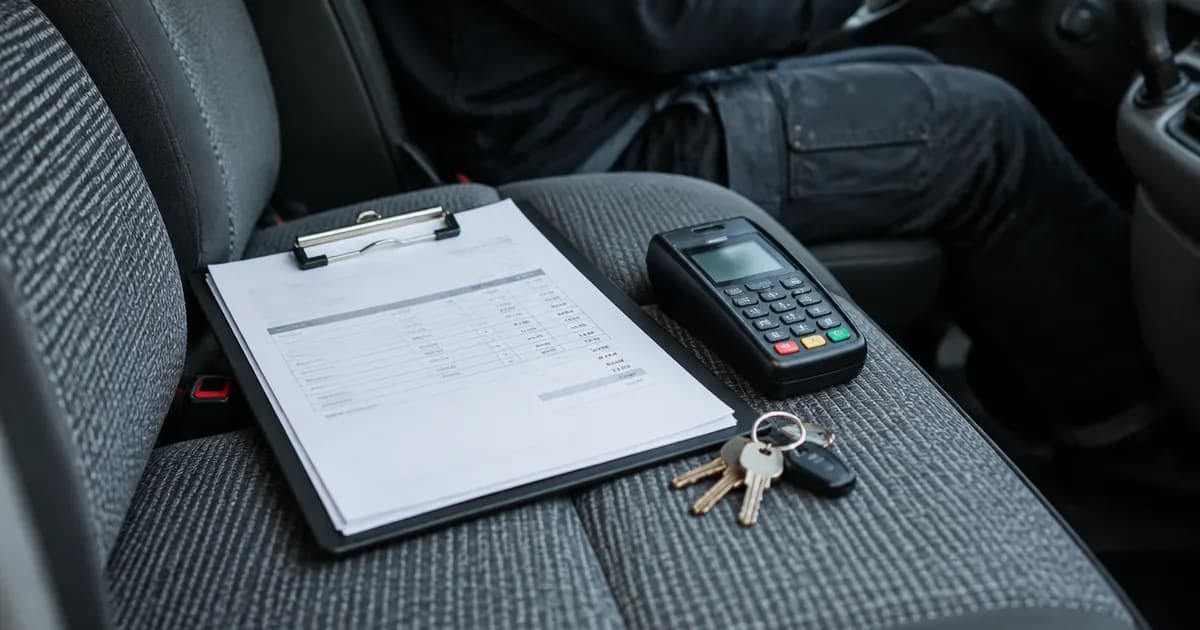
An invoice needs to say who is asking for money, who owes it, what it is for, how much, and by when. Put those on every invoice, then add whatever your tax office requires where you work. The rest of this post is the detail.
The lines every invoice should have
- The word “Invoice” (or “Tax invoice” where the law asks for it) at the top.
- A unique invoice number, in sequence. It is how you and the customer refer to it, and how you spot a missing one.
- Your business name, address and contact details, and your business or tax registration number if you have one.
- The customer’s name and address, and their order or reference number if they gave you one.
- The date you issued it, and the date the work was done if that is different.
- A description of the work or goods clear enough that someone else could tell what was supplied, with quantities and prices.
- The total, the tax included in it (if you charge tax), and the amount still owing after any deposit.
- When payment is due and how to pay: bank details, accepted methods, and the invoice number to quote.
None of this is fancy. Most late payments come from an invoice that is missing one of these lines, so the customer has to ask a question before they can pay.
Australia: what a tax invoice must show
If you are registered for GST, the Australian Taxation Office lists what a tax invoice must include: that it is intended to be a tax invoice, your identity, your ABN, the date it was issued, a brief description of each item with quantity and price, the GST payable (or a statement that the total price includes GST, when the GST is exactly one-eleventh of the total), and the extent to which each sale is taxable.
For sales of $1,000 or more, the invoice must also show the buyer’s identity or ABN. If a customer asks for a tax invoice you must give them one within 28 days, unless the sale was $82.50 (including GST) or less. Source: ATO, Tax invoices.
United Kingdom: what a VAT invoice must show
HMRC’s VAT guide says a full VAT invoice must show a sequential number, the time of supply (tax point), the date of issue if different, your name, address and VAT registration number, the customer’s name and address, a description of what was supplied, and for each item the quantity or extent, the VAT rate and the amount excluding VAT. It also needs the total excluding VAT, the rate of any cash discount, the total VAT, and the unit price.
For a supply of £250 or less, and if the customer agrees, you can issue a simplified invoice instead. Source: HMRC, VAT guide (VAT Notice 700).
Everywhere else
In the United States there is no national sales tax. Sales tax is set by states, and sometimes by counties and cities, so what an invoice must show depends on where you work and what you sell. Other countries with VAT or GST usually have a list like the two above. Check your own tax office’s page before you design your invoice, and again when you register for tax or cross a threshold.
Small habits that get invoices paid
- Send the invoice the day the work is finished, while the customer still remembers it.
- Match the wording to the quote, so the customer can see they got what they agreed to.
- Put the due date as a date (“Due 14 October”), not only as terms (“Net 14”). The invoice due date calculator works it out for you.
- Show a deposit already paid as its own line, so the amount owing is obvious.
- Send a polite reminder a few days before the due date, and another the day after.
Doing it without a spreadsheet
Job software can fill most of these lines in for you: numbering, your registration details, the customer, the work from the quote, tax and due dates. See invoicing, or look up any term in the glossary.
Official guidance
- Tax invoices (Australian Taxation Office)
- Invoicing and taking payment from customers (GOV.UK)
- Manage your finances (U.S. Small Business Administration)
This article is general information, not legal, tax, accounting, employment or regulatory advice. Rules differ by country, state and situation and change over time: check the official source linked above for where you work, and ask a qualified adviser before relying on it for a decision.